DeepSafer Security Training

Build Practical Skills. Prepare Your Team.

Help your team recognize risks, investigate security findings, and practice coordinated responses. Discuss learning objectives, experience levels, and delivery requirements with DeepSafer to shape an appropriate training plan.
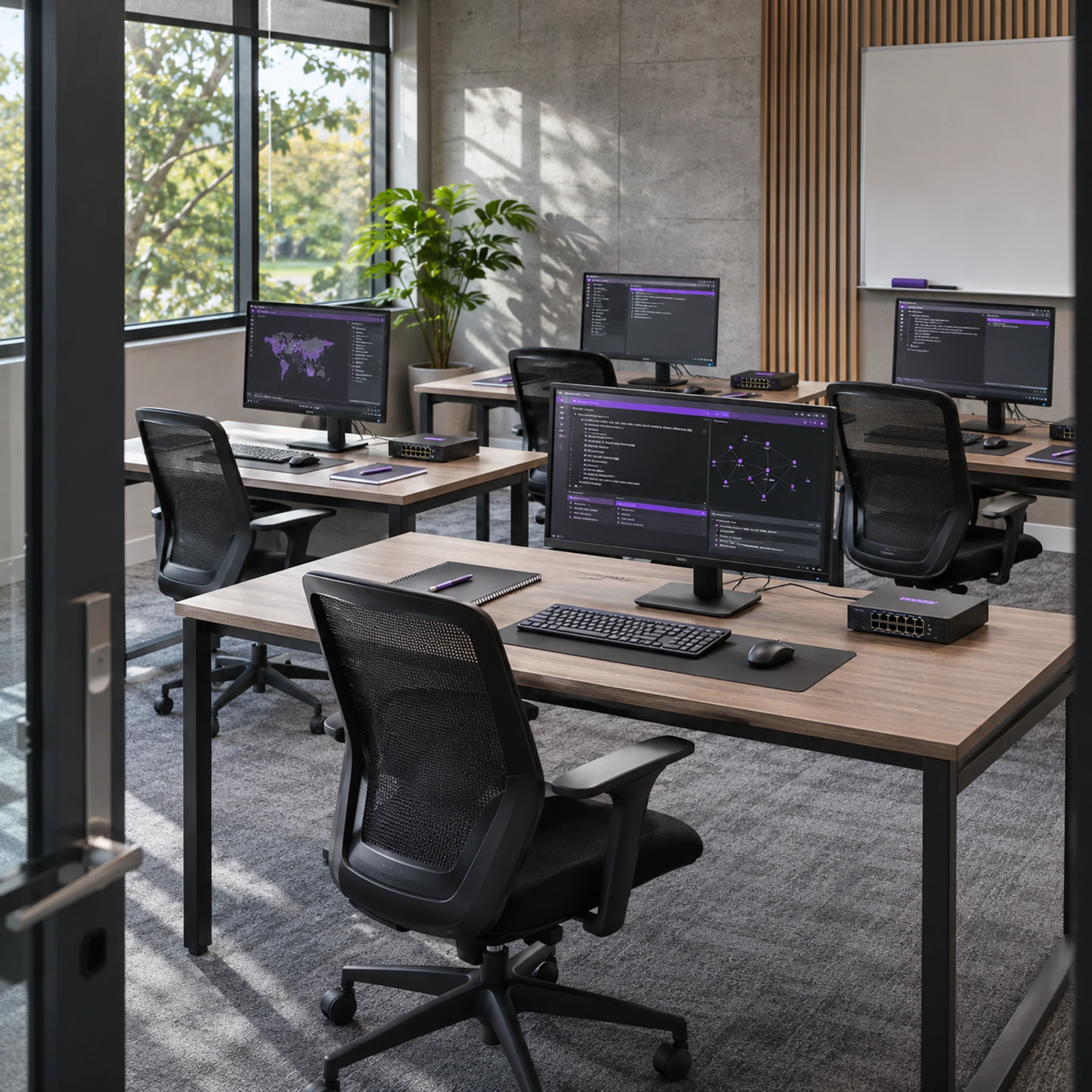
Cybersecurity training lab with practical learning workstations

The Training Advantage

Learn. Practice. Apply.

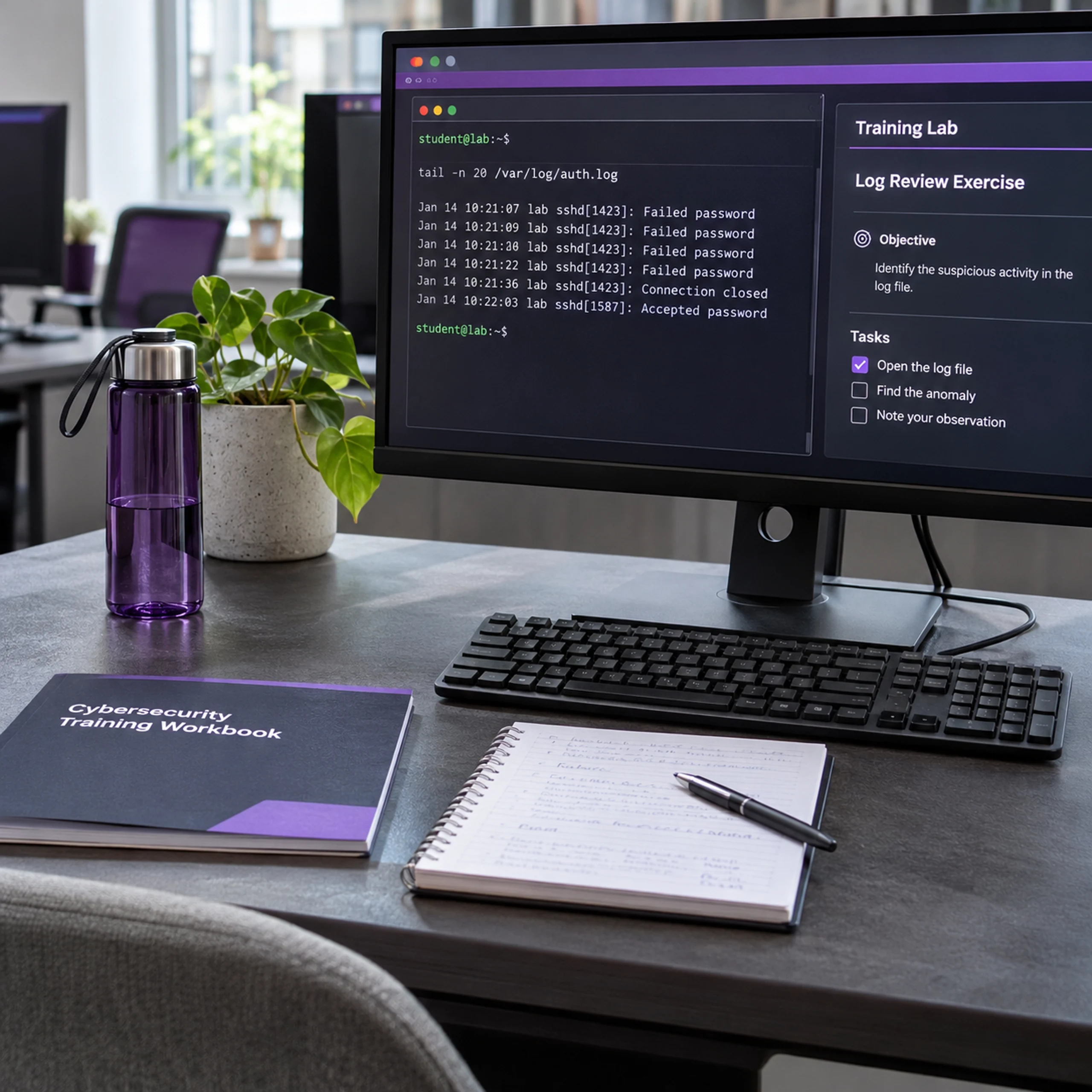
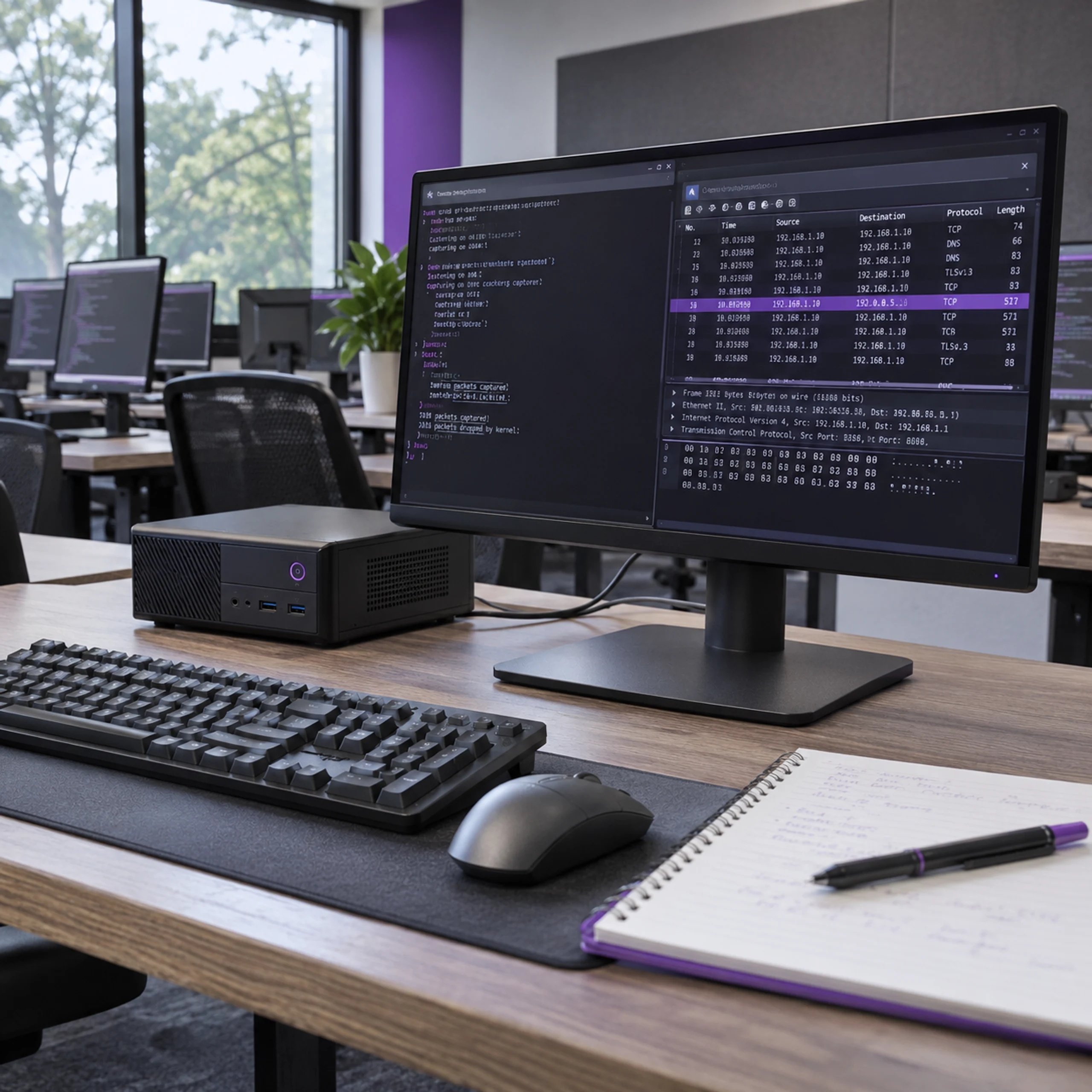
Practical security learning workstation with log review exercises
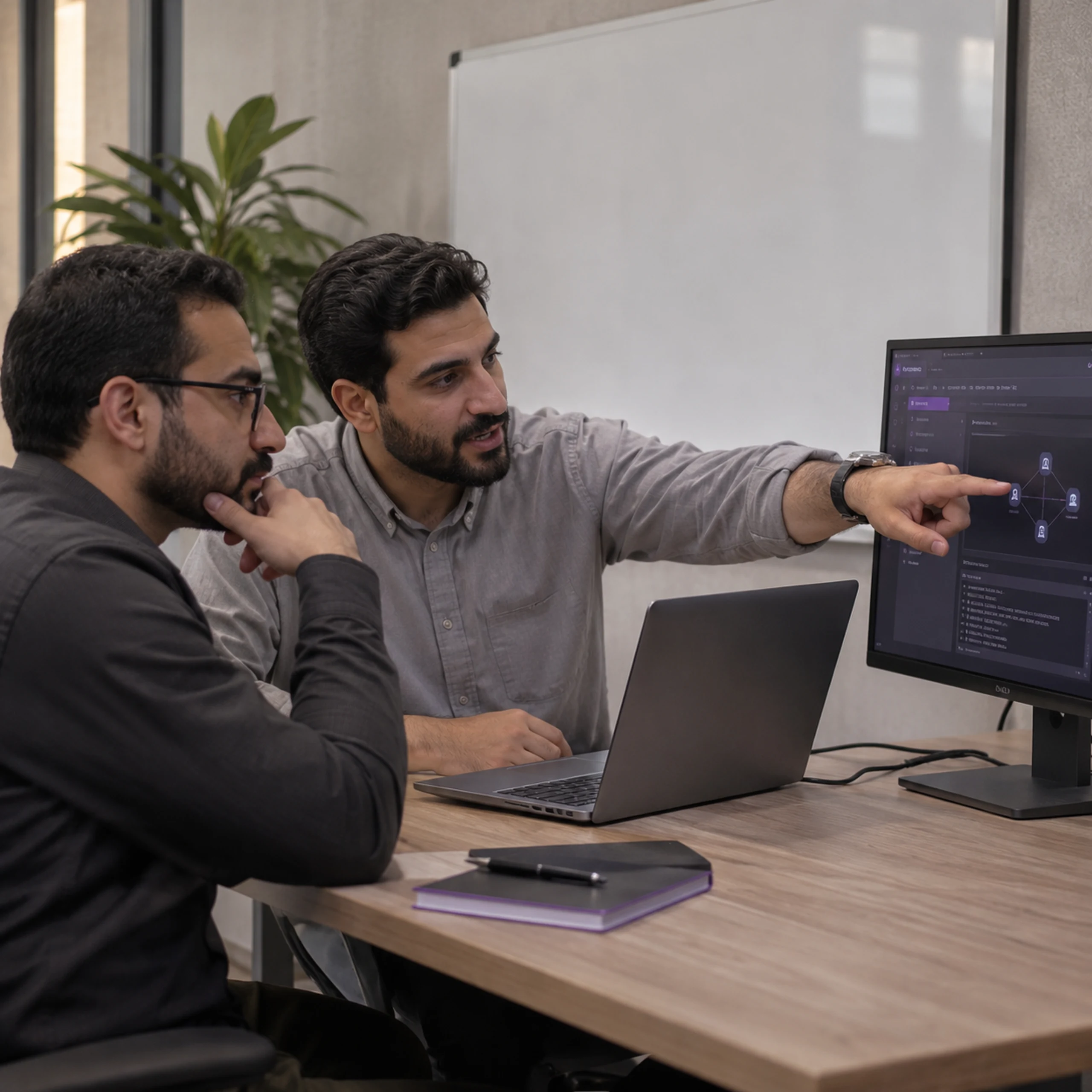
Two trainers reviewing a cybersecurity learning exercise
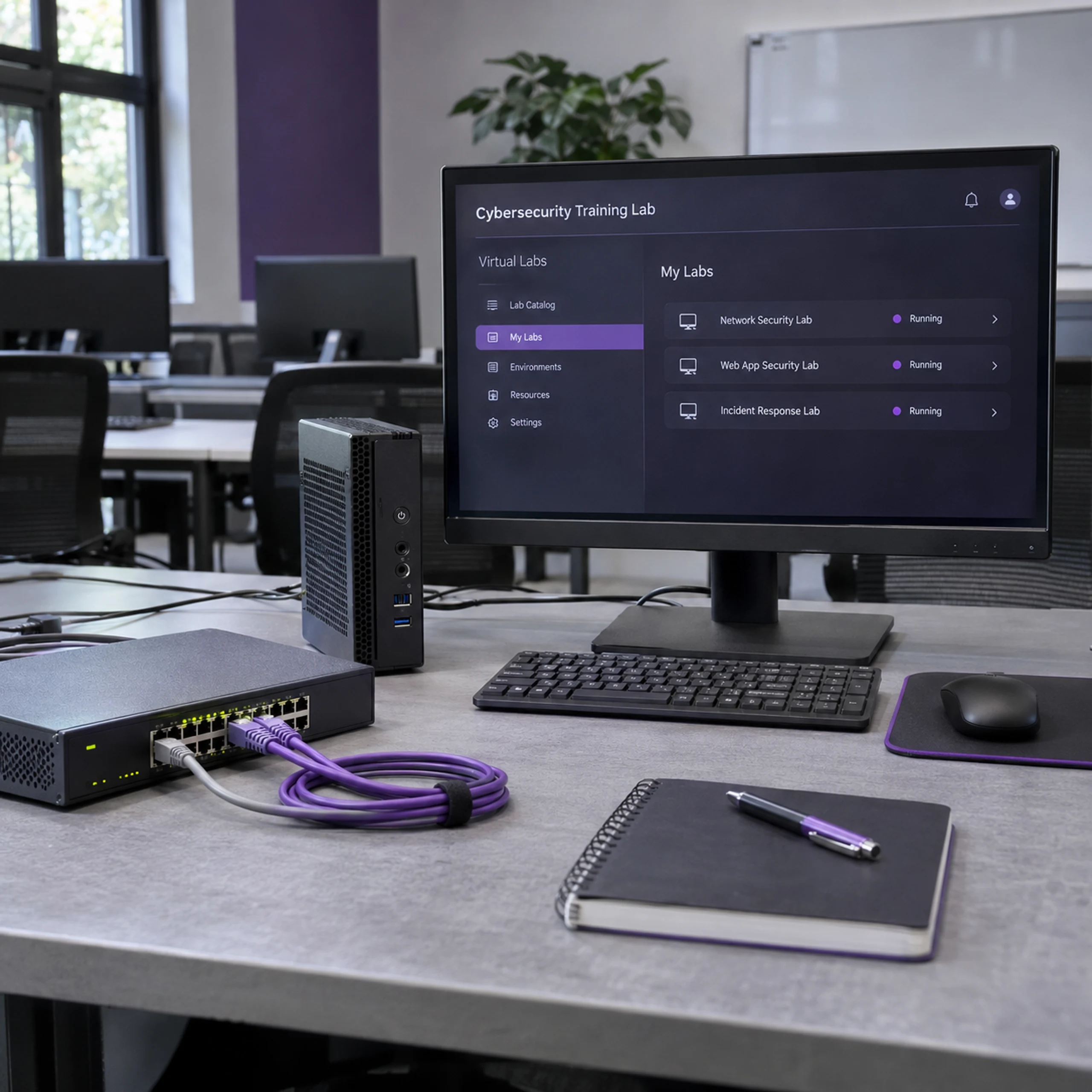
Isolated network security practice equipment in a classroom lab
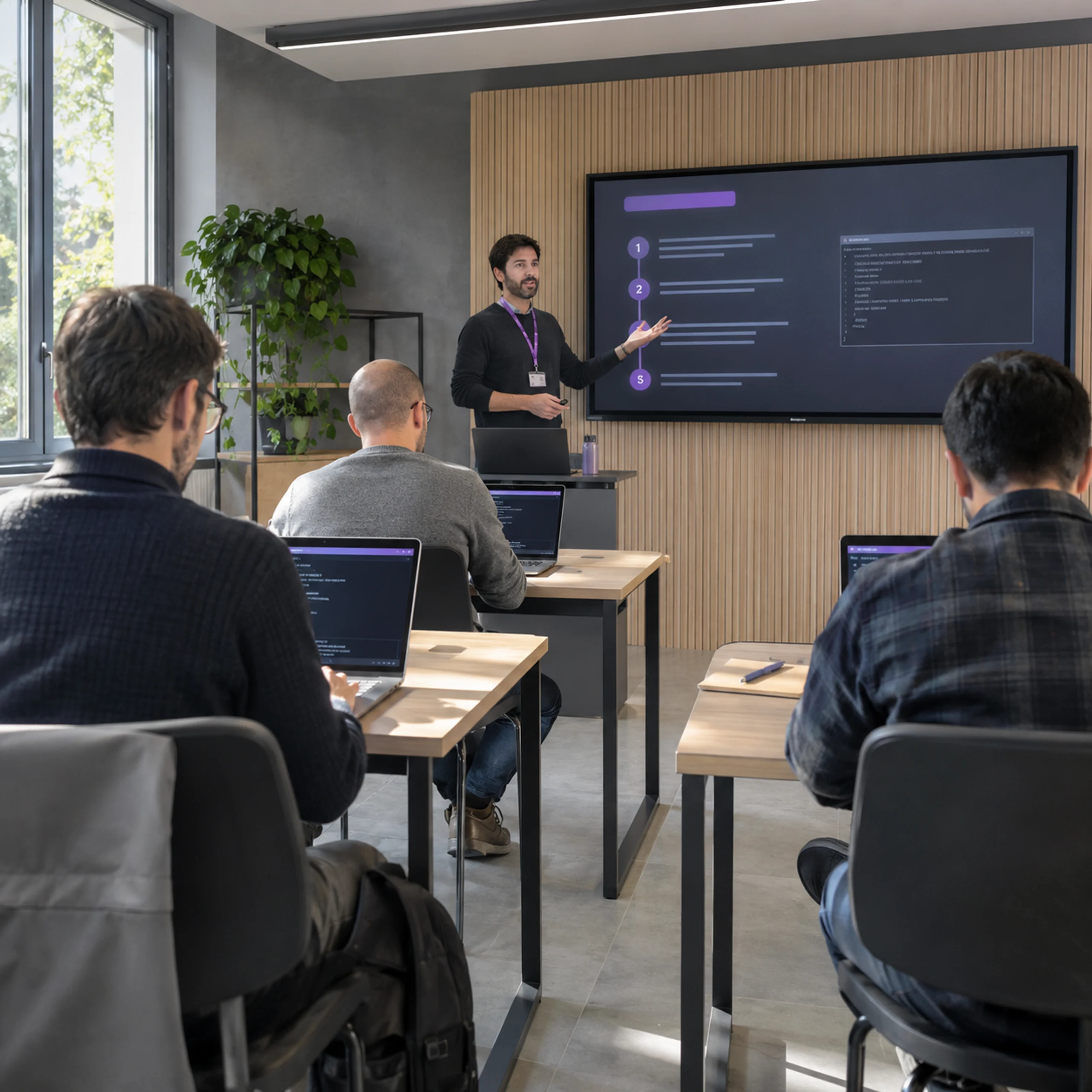
Learners practicing cybersecurity skills in a training classroom

Practical Security Skills

Work through security concepts with exercises that connect learning to everyday decisions.

Guided Learning

Discuss the support and explanations learners need to understand the exercise and review their approach.

Controlled Practice Environments

Plan exercises using suitable lab systems and example data, separate from live business activity.

Team Readiness

Practice communication, escalation, and decision-making so teams can review how they work together.

Why Train with DeepSafer?

Build Skills Around Your Security Priorities

  • Security Awareness

    Build familiarity with common risks and the everyday choices that help protect information.

  • Phishing Recognition

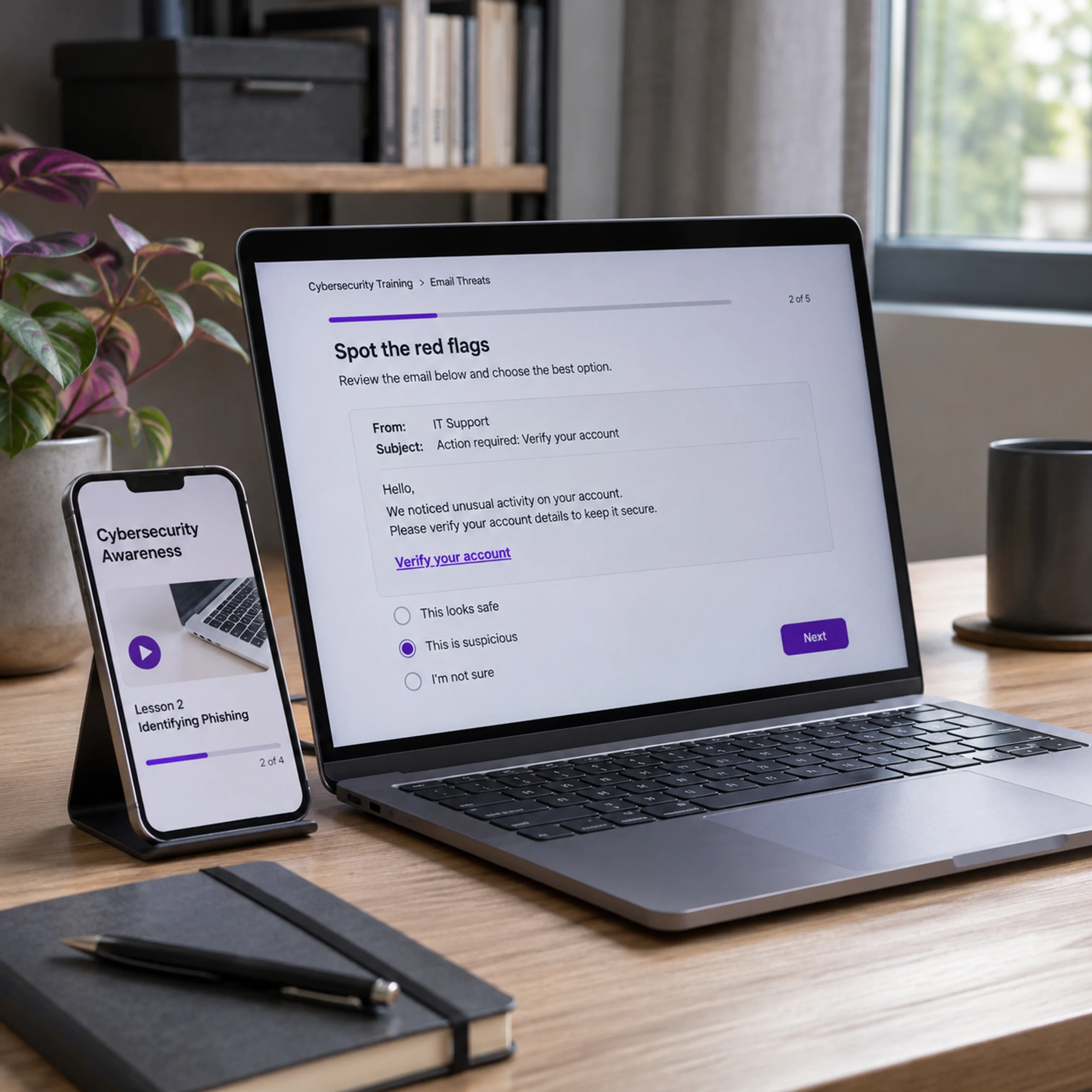
    Practice reviewing suspicious messages, links, and requests without exposing real users or business data.

  • Investigation Fundamentals

    Learn how to organize findings, review supporting evidence, and explain an investigation clearly.

  • Technical Lab Practice

    Discuss exercises suited to the systems, tools, and experience level of your learners.

  • Incident Communication

    Review escalation paths and practice communicating observations during a security scenario.

  • Learning Follow-up

    Use feedback to identify topics that need more practice and agree on useful next learning steps.

Getting Started

From Learning Goals to Practical Follow-up

  1. 01

    PLAN

    Agree on the audience, learning goals, delivery requirements, and scope of the training.
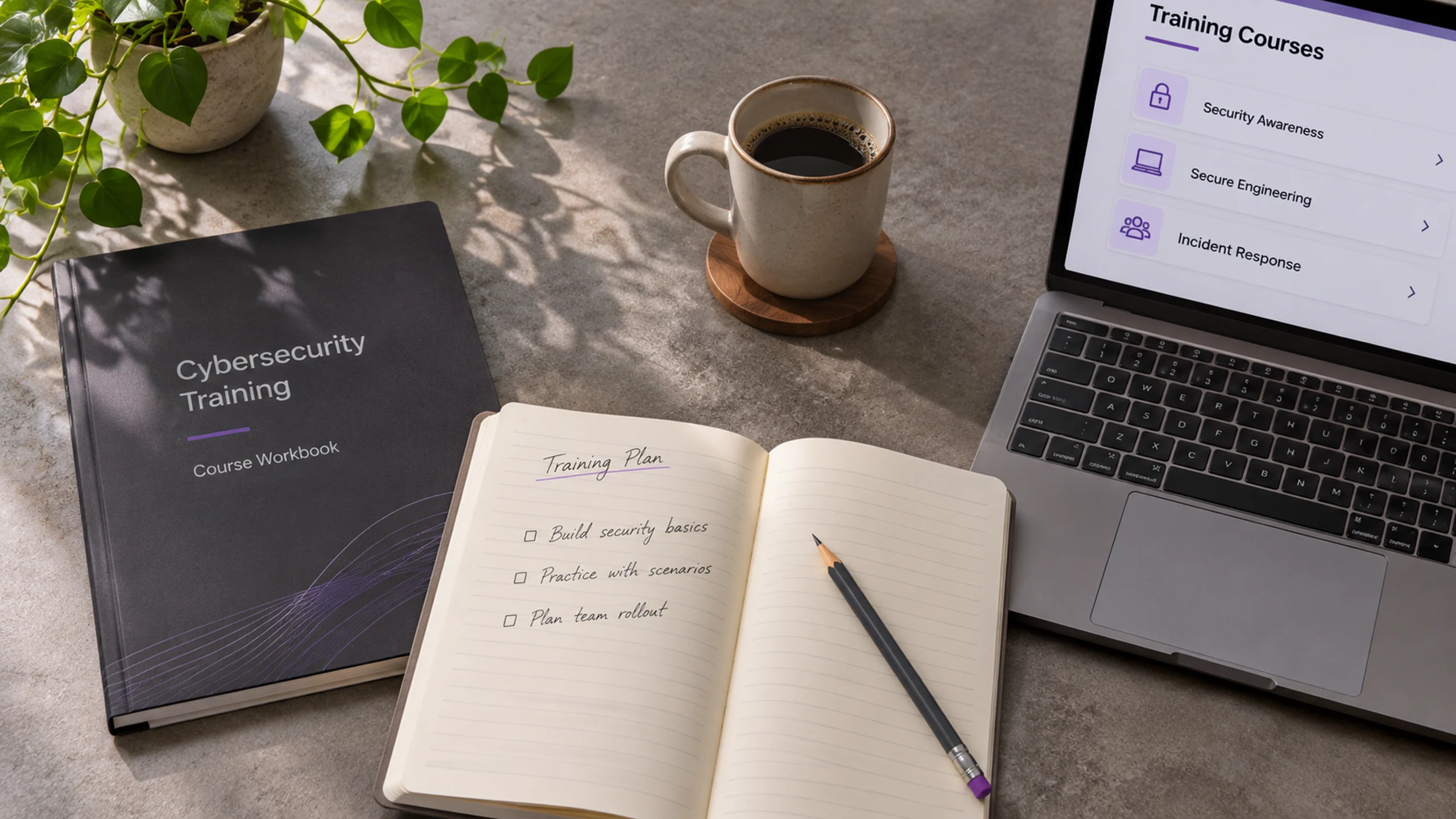
    Learning objectives and course planning materials
  2. 02

    ASSESS

    Review learners’ starting knowledge and the topics that deserve attention.
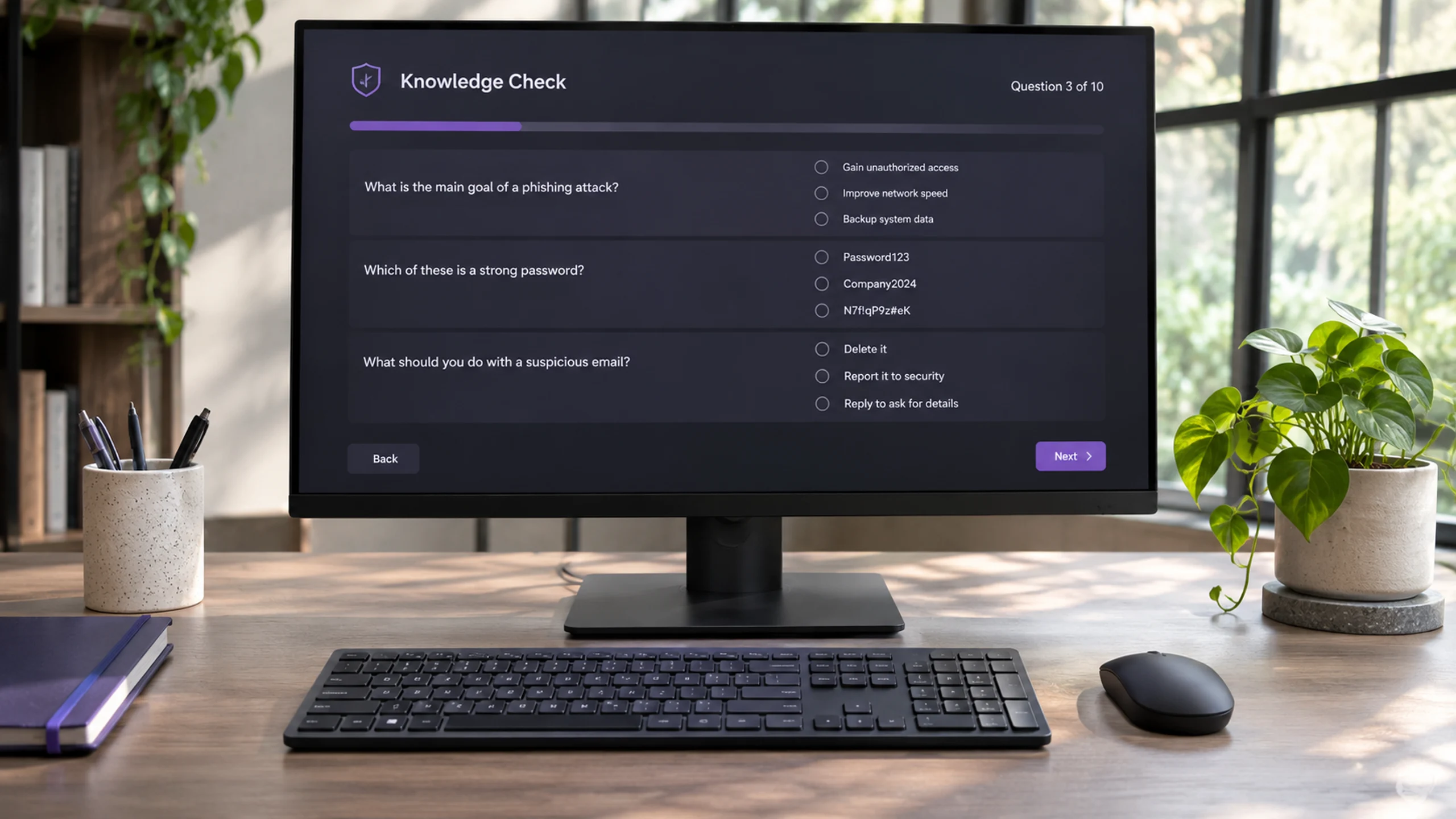
    Cybersecurity knowledge assessment on a training monitor
  3. 03

    PRACTICE

    Work through selected exercises using suitable training systems and example data.
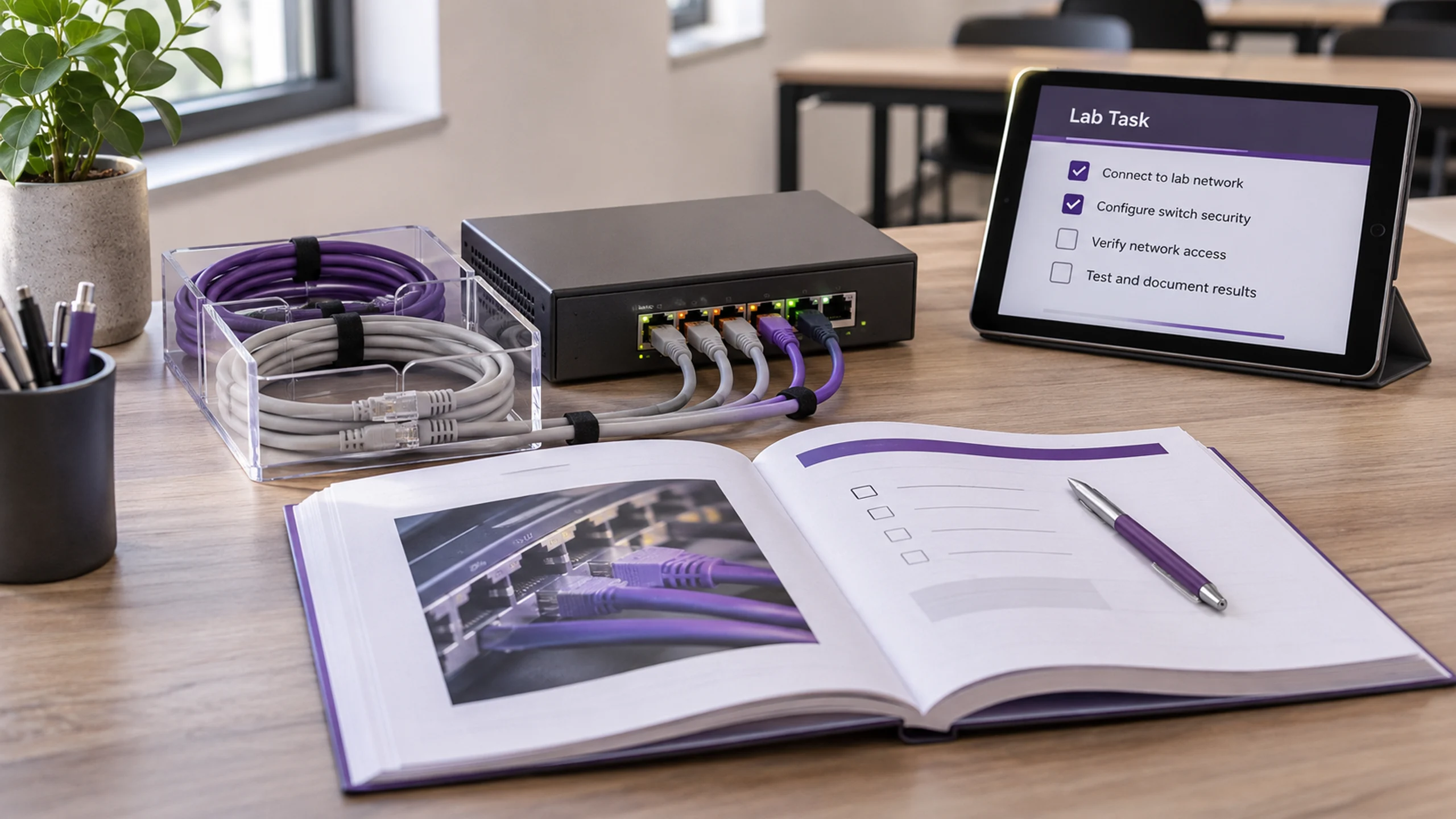
    Hands-on network security lab exercise equipment
  4. 04

    REVIEW

    Discuss the approach, identify gaps in understanding, and record useful feedback.
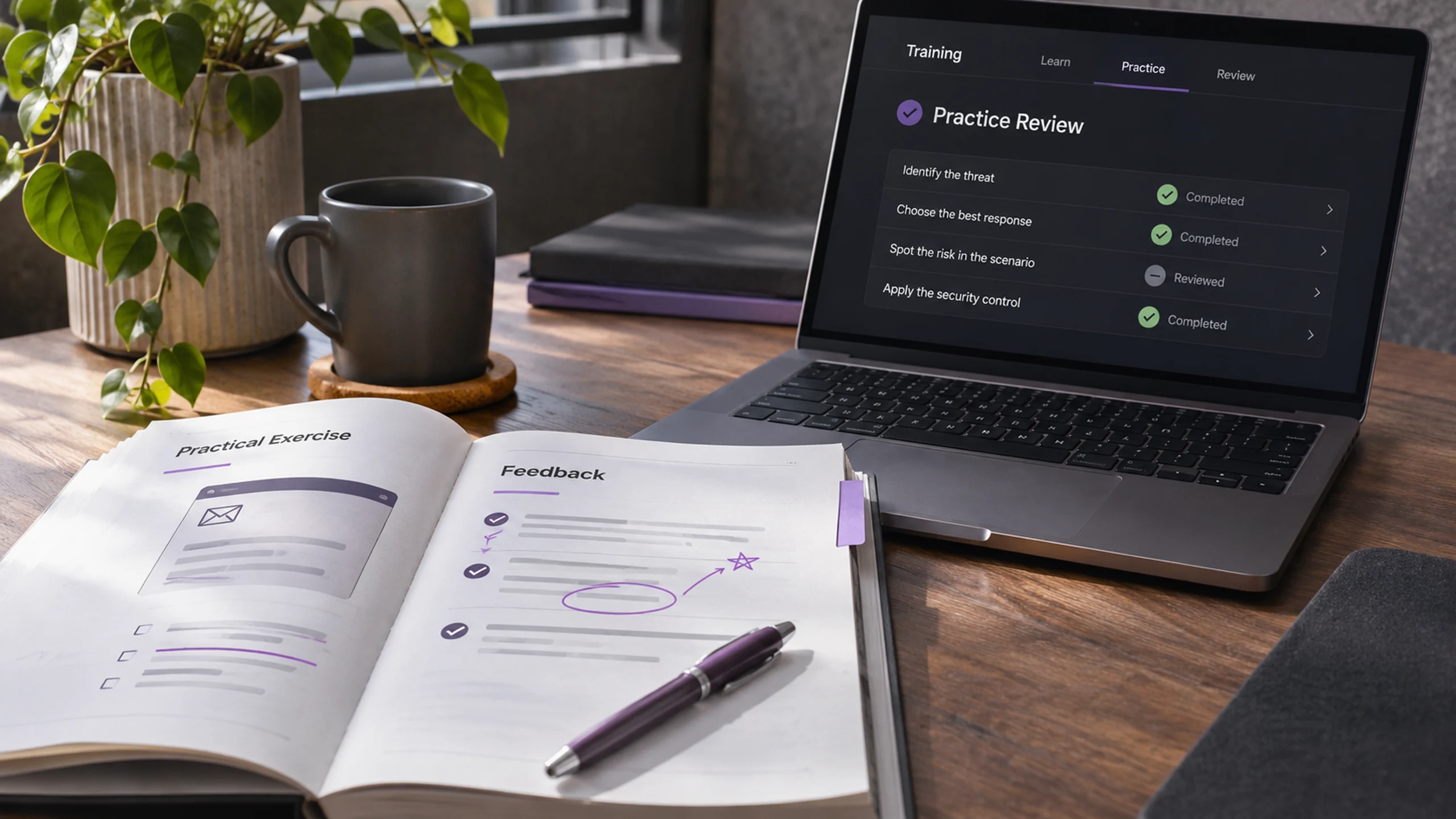
    Training workbook and practical exercise feedback
  5. 05

    CONTINUE

    Agree on follow-up activities and the next topics your team should practice.

    Learning progress overview and follow-up materials
Decorative background gradient

Get Started

Practice Today. Prepare for Tomorrow.

Training Focus Areas

Explore Awareness, Technical Skills, and Team Readiness

Cybersecurity awareness exercise on a laptop and phone
Technical cybersecurity lab with terminal and event analysis
Prepared incident response tabletop training exercise

Security Awareness

Explore suspicious messages, safe information handling, and the steps employees can take when something needs attention.

Technical Skills

Discuss hands-on exercises for reviewing logs, understanding device activity, and documenting security findings.

Incident Response Exercises

Use structured scenarios to practice responsibilities, evidence review, and communication during an incident.

Plan Your Learning Path

Example Topics by Learning Path

Awareness
Technical Skills
Team Readiness
Recognizing Suspicious Messages
Security Terminology
Reporting Concerns
Reporting Concerns
Reporting Concerns
Reporting Concerns
Reviewing Security Logs
Organizing Investigation Notes
Scenario Practice
Endpoint, Cloud Core Detection Coverage
Endpoint, Cloud, Identity & Supported 3rd Party Integration Scenario Practice
Facilitated Team Debrief
Response Communication
Follow-up Objectives

Learning Priorities

Define What Your Team Needs to Practice

Goals

Goals

Agree on the skills, audience, and priorities the training should address.


Discuss Training
Practical Exercises

Practice with Clear Objectives

Practical Exercises

Connect each exercise to a defined learning goal and review how the learner approached it.
Learning Follow-up

Turn Feedback into Next Steps

Learning Follow-up

Identify topics that need more practice and agree on a useful follow-up plan.

Explore Further

Continue Learning with DeepSafer

Decorative background gradient

Next Steps

Plan Your Team’s Next Learning Step

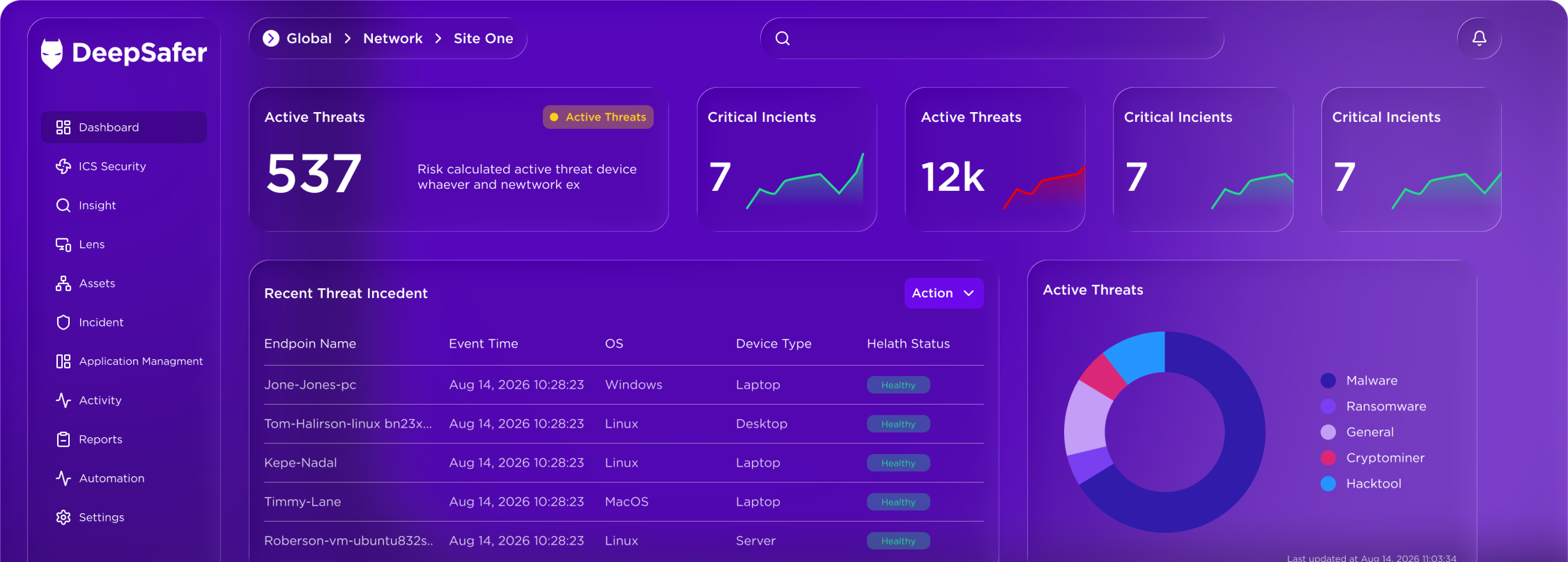
Dark dashboard UI with purple-highlighted nav, summary cards showing 149, 7, 78, 56, 1.2 h, and a status table with linked purple text